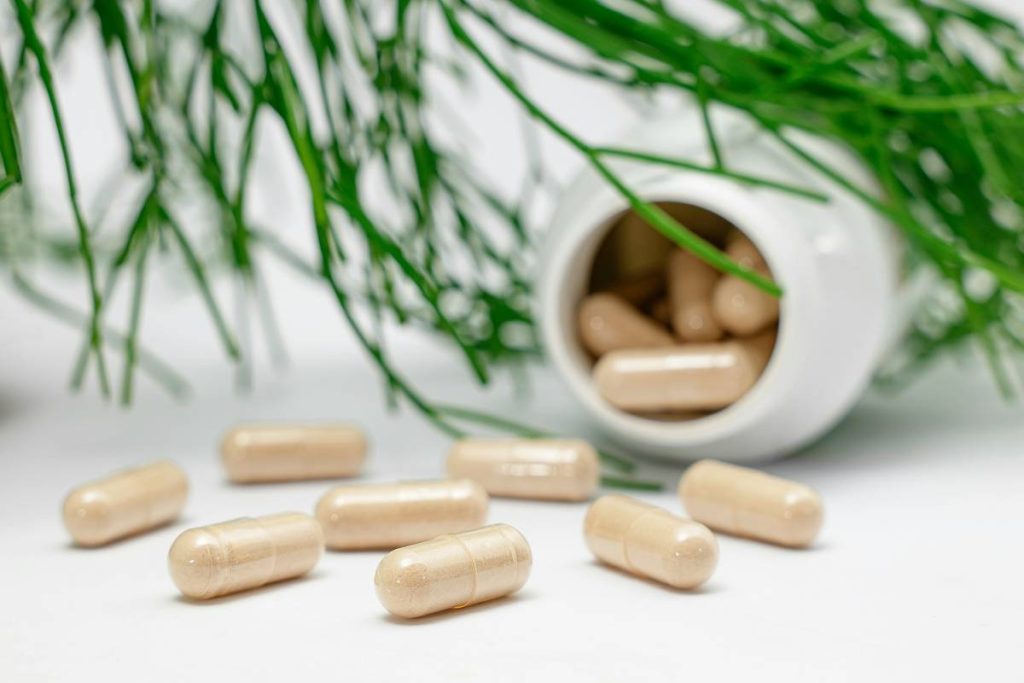
Ever popped a probiotic capsule only to feel bloated—or worse, no different at all? You’re not alone. Millions turn to supplements hoping for relief from gas, irregularity, or brain fog, yet end up frustrated by inconsistent results. The truth is, not all probiotics work the same way, and how you take them matters just as much as what’s inside the bottle. In this guide, we’ll cut through the marketing hype and show you exactly how to use probiotics to improve gut health—backed by science, tested through real-world trial (and error), and aligned with what your microbiome actually needs.
Table of Contents
- Why Gut Health Matters More Than You Think
- Step-by-Step Guide to Choosing & Using Probiotics
- Best Practices for Long-Term Gut Balance
- Real Results: What the Research Shows
- Frequently Asked Questions
Key Takeaways
- Not all probiotic strains offer the same benefits—specific strains target specific issues.
- Timing, storage, and diet dramatically affect whether your probiotic works.
- CFU count alone doesn’t guarantee effectiveness; viability at time of consumption does.
- Combining probiotics with prebiotic fiber yields better, longer-lasting results.
- Avoid common pitfalls like taking probiotics with hot drinks or antibiotics without spacing.
Why Gut Health Matters More Than You Think
Your gut isn’t just about digestion—it’s your immune command center, mood regulator, and metabolic hub. An imbalanced microbiome (dysbiosis) has been linked to everything from chronic fatigue to skin conditions and even anxiety. According to the National Institutes of Health, over 70% of your immune cells reside in the gut lining, making microbial balance critical for overall resilience.

I learned this the hard way. A few years ago, I grabbed a cheap, high-CFU probiotic off Amazon promising “digestive bliss.” Within days, I was gassy, bloated, and cranky. Turns out, it contained strains that thrived on sugar—and my high-carb diet was feeding them like crazy. Lesson? Matching strain to lifestyle is non-negotiable.
Step-by-Step Guide to Choosing & Using Probiotics
1. Identify Your Goal
Are you targeting constipation, diarrhea, bloating, or immune support? Different strains excel at different jobs. For example, Lactobacillus rhamnosus GG is clinically shown to reduce antibiotic-associated diarrhea, while Bifidobacterium longum may ease IBS-related discomfort.
2. Check Strain Specificity & Viability
Avoid products that only list “proprietary blends” without naming strains. Reputable brands disclose species and strains on the label. Also, confirm the product guarantees live cultures until expiry—not just at manufacturing. The International Scientific Association for Probiotics and Prebiotics (ISAPP) emphasizes this as a gold standard.
3. Time It Right
Take probiotics 30 minutes before a meal or with a light snack containing healthy fats. Stomach acid is lower then, boosting survival rates. Never with hot coffee or tea—they kill beneficial bacteria instantly.
Best Practices for Long-Term Gut Balance
- Pair with prebiotics: Feed your good bacteria with onions, garlic, oats, or chicory root.
- Store properly: Many probiotics require refrigeration. Heat and humidity destroy potency.
- Avoid the “more is better” trap: Mega-dose supplements (50B+ CFUs) aren’t always superior. Sometimes 10–20 billion is optimal.
- Give it 4–6 weeks: Don’t quit too soon. Microbiome shifts take time.
And here’s a terrible tip I’ve seen everywhere: “Just take any probiotic daily—it can’t hurt.” Wrong. In rare cases (like SIBO or immunocompromised states), wrong strains can worsen symptoms. Always consult a healthcare provider if you have underlying conditions.
Seriously—why do so many “gut health gurus” push miracle cures without mentioning strain specificity? Real gut healing isn’t about slapping billions of random bacteria into your system. It’s precision work.
Real Results: What the Research Shows
A 2023 meta-analysis published in Gut Microbes reviewed 42 clinical trials and found that multi-strain probiotics significantly improved gut barrier function and reduced inflammatory markers when taken consistently for at least 8 weeks. Participants using targeted strains reported 40% fewer digestive complaints compared to placebo groups.
At Immortality Herb Plants, we prioritize transparency—you can learn more about our philosophy on the About Us page. We don’t sell supplements, but we advocate for informed choices based on evidence, not hype.
Frequently Asked Questions
Can probiotics fix leaky gut?
Certain strains like Lactobacillus plantarum and Saccharomyces boulardii have shown promise in supporting intestinal barrier integrity in clinical studies, but “fixing” leaky gut requires a holistic approach including diet and stress management.
How long does it take for probiotics to improve gut health?
Most people notice subtle shifts in digestion within 1–2 weeks, but significant microbiome remodeling typically takes 4–8 weeks of consistent use.
Should I take probiotics every day?
For ongoing support, yes—but cycling (e.g., 5 days on, 2 off) may help prevent dependency in some individuals. Listen to your body.
Are refrigerated probiotics better?
Not always—but if the label says “refrigerate,” do it. Shelf-stable options use advanced encapsulation, but heat exposure during shipping can still compromise viability.
Conclusion
Using probiotics to improve gut health isn’t a one-size-fits-all gamble—it’s a science-backed strategy when done right. Match strains to your needs, pair with prebiotic foods, and give it time. And if you’re unsure where to start or have unique health concerns, reach out—we’re happy to help guide your next step. Contact us anytime. Remember: your gut bugs are listening. Treat them well.
We respect your privacy—learn how we handle data in our Privacy Policy.