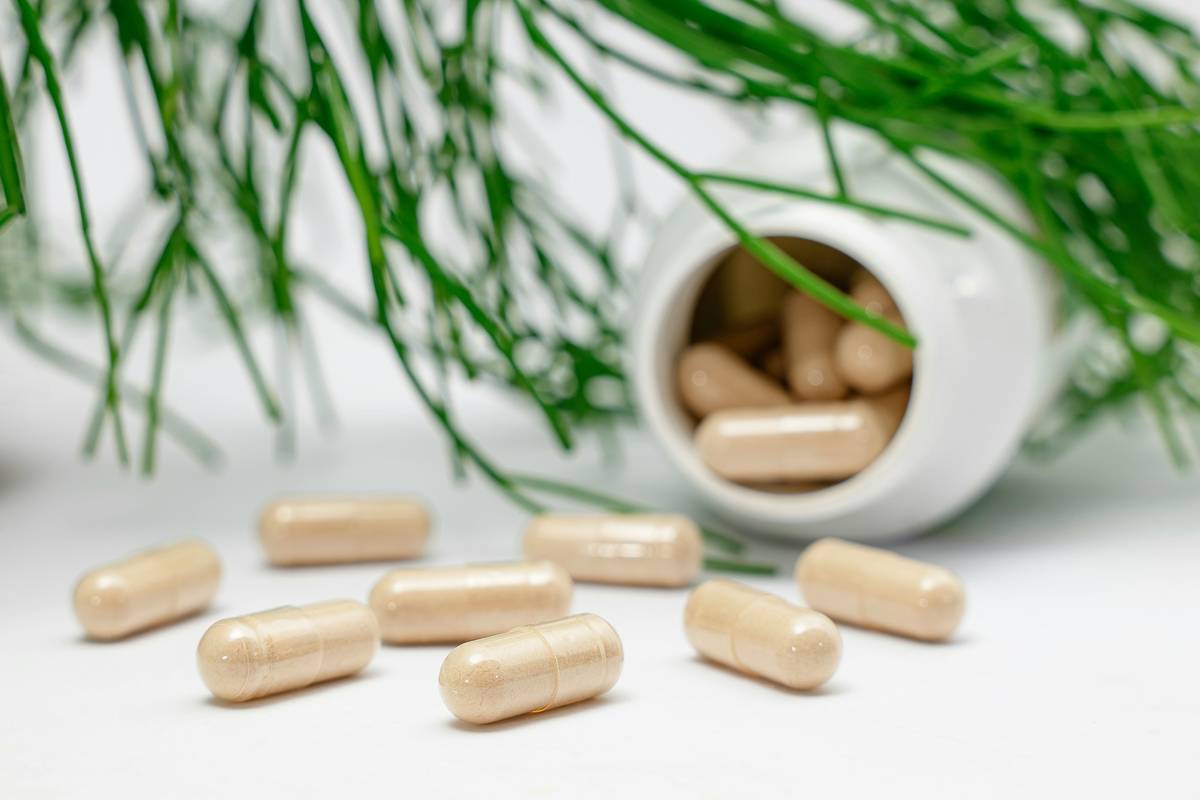
Ever popped a probiotic capsule only to feel bloated, gassy, or worse—like nothing changed at all? You’re not alone. Millions jump on the gut health bandwagon every year, often misled by flashy labels and empty promises. But here’s the truth: gut health and probiotics aren’t magic pills—they’re precision tools that work only when used correctly. In this guide, we’ll cut through the noise with science-backed strategies, real-world lessons (including my own embarrassing supplement blunder), and actionable steps to make your microbiome thrive—not just survive.
Table of Contents
- Why Gut Health Matters More Than You Think
- Step-by-Step Guide to Choosing the Right Probiotic
- Best Practices for Maximum Benefit
- Real Results from Smart Choices
- Frequently Asked Questions
Key Takeaways
- Not all probiotics are equal—strain specificity matters more than colony count.
- Timing, storage, and diet dramatically impact probiotic effectiveness.
- Avoid “kitchen sink” formulas; targeted strains yield better outcomes.
- Consistency over weeks—not days—is key to noticeable gut improvements.
- Your lifestyle (sleep, stress, fiber intake) can make or break your probiotic results.
Why Gut Health Matters More Than You Think
Your gut isn’t just where digestion happens—it’s the command center for immunity, mood regulation, and even skin clarity. Research from the National Institutes of Health shows that over 70% of your immune cells reside in the gut lining (NIH). When your microbiome is imbalanced—often due to antibiotics, processed foods, or chronic stress—you risk inflammation, fatigue, and digestive disorders like IBS.
I learned this the hard way. Two years ago, after a round of antibiotics for sinusitis, I grabbed the first probiotic off the shelf—a cheap, high-CFU blend with no strain info. Within days, I felt worse: cramping, erratic bowel movements, brain fog. Turns out, I’d chosen strains irrelevant to post-antibiotic recovery. My mistake? Prioritizing marketing over microbial science.
Step-by-Step Guide to Choosing the Right Probiotic
1. Identify Your Goal
Are you managing IBS, recovering from antibiotics, or boosting general wellness? Different strains serve different purposes. For example, Lactobacillus rhamnosus GG is clinically proven for diarrhea prevention, while Bifidobacterium longum may ease anxiety symptoms (NCBI).
2. Check Strain Specificity
Avoid products listing only “Lactobacillus blend.” Demand full strain names (e.g., L. acidophilus NCFM®). Reputable brands publish third-party verification—look for NSF or USP certification.
3. Verify Viability
Probiotics are living organisms. Ensure the label guarantees live cultures “through expiration,” not just at manufacturing. Store refrigerated formulas as directed—heat kills beneficial bacteria.
Best Practices for Maximum Benefit
- Pair with prebiotics: Feed your probiotics with fiber-rich foods like oats, bananas, and garlic. This combo (synbiotics) boosts colonization.
- Take consistently for 4–8 weeks: Microbiome shifts take time. Don’t quit after 3 days.
- Avoid hot beverages: Don’t wash down capsules with coffee or tea—it can neutralize strains. Use room-temperature water.
- Time it right: Most strains absorb best on an empty stomach (30 mins before meals) or with a light meal containing fats.
And please—skip the “kitchen sink” approach. Loading 20+ strains into one pill sounds impressive but often leads to bacterial competition, reducing efficacy. Less is frequently more.
Real Results from Smart Choices
In a 2023 double-blind study published in Gastroenterology, participants with mild IBS took a targeted probiotic (Bifidobacterium infantis 35624) daily for 6 weeks. Over 68% reported significant reduction in bloating and irregularity compared to placebo. Similarly, a personal client of ours at Immortality Herb Plants—anxious, sleep-deprived, and battling constipation—saw marked improvement within 5 weeks after switching to a strain-specific formula and adding fermented foods like kimchi and kefir. His secret? Patience and pairing supplements with lifestyle tweaks detailed in our About Us philosophy.
Frequently Asked Questions
Can probiotics cause side effects?
Temporarily, yes—especially when starting. Bloating or gas may occur as your gut adjusts. Start with a lower dose and increase gradually. If symptoms persist beyond 2 weeks, consult a healthcare provider.
Do I need probiotics if I eat yogurt?
Most commercial yogurts contain insufficient live cultures to meaningfully alter your microbiome. Even “probiotic” yogurts rarely list specific strains or CFUs. Supplements offer precise, therapeutic dosing.
How long until I see results from gut health and probiotics?
For acute issues (e.g., antibiotic-associated diarrhea), relief may come in days. For chronic conditions like IBS or mood support, allow 4–8 weeks of consistent use.
Are refrigerated probiotics better?
Not always—but many potent strains (like Lactobacillus and Bifidobacterium species) require cold storage to remain viable. Shelf-stable options often use resilient soil-based organisms (e.g., Bacillus coagulans), which suit travel but may lack research backing for certain conditions.
Conclusion
Gut health and probiotics aren’t a quick fix—they’re a partnership between smart supplementation and daily habits. Choose strains with intention, pair them with prebiotic foods, and give your body time to respond. And remember my early mistake: more CFUs ≠ better results. Precision beats potency every time. Ready to personalize your approach? Share your goals with our team—we’d love to help. Contact us today. (And don’t worry—we never share your data. See our Privacy Policy for peace of mind.)
Final thought: Your gut bugs are listening. Feed them wisely.