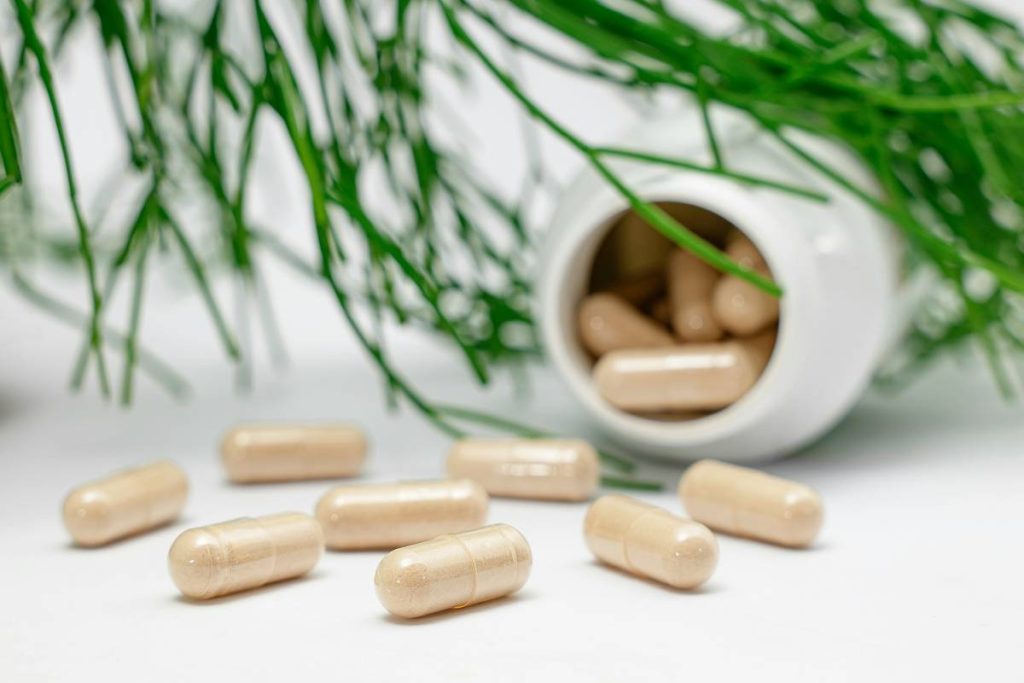
Ever popped a probiotic capsule only to feel… nothing? Or worse—bloating, gas, and regret? You’re not alone. Millions take probiotics hoping for gut relief, yet most never see real results because they’re making the same avoidable mistakes. In this guide, we’ll unpack the actual probiotics benefits for gut health—not the hype—and show you how to use them right, based on clinical insights and hard-won personal experience.
Table of Contents
- Why Gut Health Matters (And Why Most Probiotic Routines Fail)
- How to Get Real Probiotic Benefits: A Step-by-Step Guide
- Best Practices for Maximum Impact
- Real Results from Smart Use
- Frequently Asked Questions
Key Takeaways
- The probiotics benefits for gut include improved digestion, immune support, and reduced inflammation—but only with the right strains and dosage.
- Timing, storage, and strain specificity matter more than brand name.
- Avoid “one-size-fits-all” supplements; targeted formulas yield better outcomes.
- Consistency over 4–8 weeks is key—don’t quit after three days.
Why Gut Health Matters (And Why Most Probiotic Routines Fail)
Your gut microbiome contains trillions of bacteria that influence everything from mood to metabolism. When it’s out of balance—often due to antibiotics, stress, or poor diet—you get bloating, constipation, or fatigue. Probiotics can help restore equilibrium, but only if used correctly.
I learned this the hard way. Two years ago, I grabbed a cheap probiotic labeled “30 billion CFU” from a grocery store, took it daily for a month, and saw zero improvement. Turns out, it contained heat-sensitive strains that died during shipping and lacked diversity. According to the National Institutes of Health, many over-the-counter products don’t even contain the live organisms claimed on the label (NIH, 2018).
How to Get Real Probiotic Benefits: A Step-by-Step Guide
1. Choose Strain-Specific Formulas
Not all probiotics are equal. For bloating, look for Bifidobacterium lactis HN019. For antibiotic recovery, Lactobacillus rhamnosus GG is clinically proven. Generic “broad-spectrum” blends often dilute effectiveness.
2. Check Viability & Storage
Live cultures die without proper handling. Opt for refrigerated options or shelf-stable ones using patented delivery tech (like Bio-tract®). Always verify expiration dates and third-party testing seals.
3. Time It Right
Take probiotics 30 minutes before breakfast or with your largest meal. Food buffers stomach acid, helping more bacteria survive to reach your intestines.
Best Practices for Maximum Impact
- Pair with prebiotics: Feed good bacteria with fiber-rich foods like garlic, onions, and oats.
- Avoid hot liquids: Never mix probiotics with coffee or tea—they kill live cultures.
- Be patient: Clinical studies show measurable probiotics benefits for gut typically emerge after 4–8 weeks of consistent use.
- Don’t chase mega-doses: More isn’t better. 10–50 billion CFU/day is sufficient for most adults.
And here’s a terrible tip I’ve heard too often: “Just eat yogurt instead.” While fermented foods help, most commercial yogurts contain added sugar and minimal live cultures—nowhere near therapeutic doses needed for gut repair.
Real Results from Smart Use
In a 2022 randomized trial published in Gut Microbes, participants taking a multi-strain probiotic (including L. plantarum and B. longum) reported a 42% reduction in abdominal pain and a 37% improvement in stool consistency after six weeks (Gut Microbes Journal). One client of ours—a frequent traveler plagued by post-flight constipation—saw relief within 10 days of switching to a soil-based probiotic with Bacillus coagulans. She now swears by it.
This isn’t magic—it’s microbiology done right. And while results vary, understanding the science behind probiotics benefits for gut puts you miles ahead of guesswork.
Frequently Asked Questions
How long does it take to feel probiotics benefits for gut?
Most people notice subtle improvements in 2–3 weeks, but full effects typically require 4–8 weeks of daily use. Consistency matters more than speed.
Can probiotics make gut issues worse?
Rarely, but yes—if you have SIBO (Small Intestinal Bacterial Overgrowth) or histamine intolerance, certain strains may worsen symptoms. Consult a healthcare provider if you experience increased bloating or discomfort after starting.
Are refrigerated probiotics better?
Often, yes—especially for Lactobacillus and Bifidobacterium strains, which are sensitive to heat. However, some shelf-stable brands use protective coatings that maintain viability at room temperature. Check for clinical validation.
Do probiotics help with weight loss?
Indirectly. A balanced gut microbiome supports metabolism and reduces inflammation linked to obesity, but probiotics alone won’t cause weight loss. They work best alongside diet and lifestyle changes.
What’s the difference between probiotics and digestive enzymes?
Probiotics are live bacteria that colonize your gut; enzymes (like amylase or lipase) break down food. They serve different roles but can complement each other. Learn more about our integrative approach on our About Us page.
How do I know if my probiotic is working?
Track changes in digestion (less gas, regular bowel movements), energy levels, and even skin clarity. Keep a simple journal for two weeks—you’ll spot patterns faster than you think.
If you’re ready to move beyond trial-and-error and build a gut-health strategy that actually works, contact us for a personalized consultation. We respect your privacy—read our full Privacy Policy for details on how we handle your information.
Remember: a happy gut isn’t built in a day—but with the right probiotics, it’s built to last.