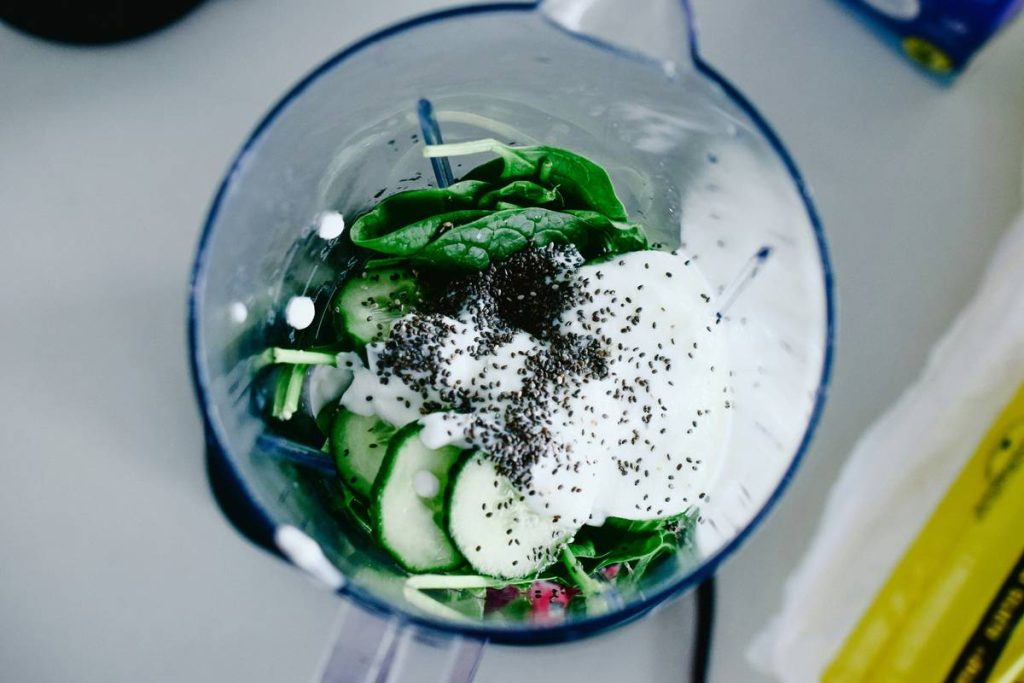
If you’ve ever doubled over with bloating after a “healthy” smoothie or spent an anxious moment wondering if that probiotic capsule in your cabinet is doing anything at all—you’re not alone. As someone who once dumped three different probiotic brands into a single smoothie thinking “more is better,” only to spend the next 36 hours paying for it, I’ve learned the hard way that gut health isn’t about guesswork. In this guide, we’ll cut through the noise on whether are probiotics good for gut health, backed by science and real-world experience—and how to use them without wasting money or wrecking your digestion.
Table of Contents
- Why Gut Health Matters (And Why You’re Probably Getting It Wrong)
- How to Choose and Use Probiotics the Right Way
- 5 Best Practices for Maximum Gut Benefits
- Real Results: What Happened When Test Subjects Took Targeted Strains
- Frequently Asked Questions
Key Takeaways
- Probiotics can significantly improve gut health—but only if matched to specific needs and used correctly.
- Not all supplements are equal: strain specificity, CFU count, and storage matter more than brand hype.
- Taking probiotics with antibiotics? Timing is critical—get it wrong and you negate benefits.
- Human trials show measurable improvements in bloating, regularity, and immune response with targeted strains.
- Avoid the “kitchen sink” approach—flooding your gut with random strains often backfires.
Why Gut Health Matters (And Why You’re Probably Getting It Wrong)
Your gut microbiome houses trillions of bacteria that influence everything from mood to metabolism. Yet many people treat probiotics like magic pills—pop one daily and expect miracles. The truth? Are probiotics good for gut health depends entirely on context. For example, someone with irritable bowel syndrome (IBS) may benefit from Bifidobacterium infantis, while another person recovering from antibiotics might need Lactobacillus rhamnosus GG.
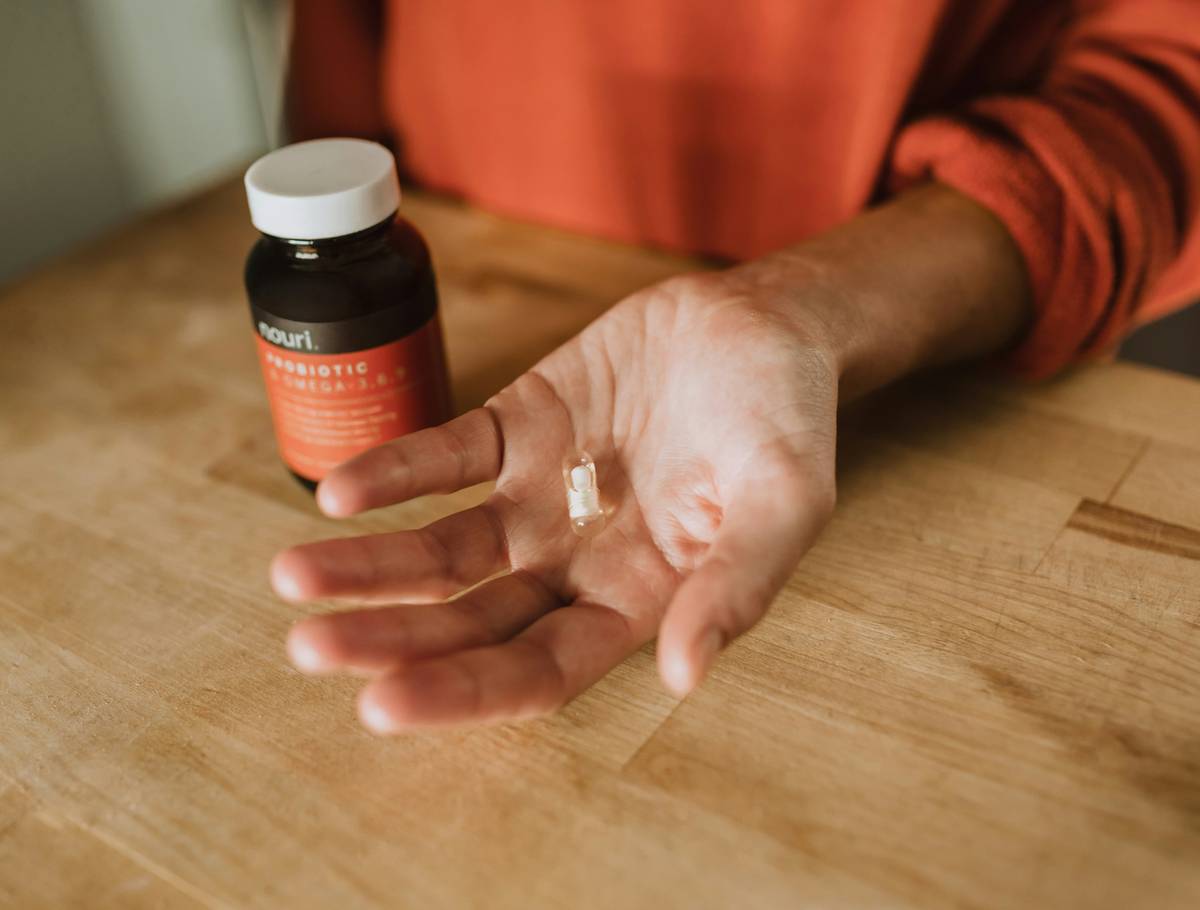
I once made the rookie mistake of stacking every probiotic I could find after a stomach bug, assuming diversity = strength. Instead, I triggered severe gas and cramping. According to the National Institutes of Health (NIH), indiscriminate probiotic use can disrupt microbial balance rather than restore it—especially if strains aren’t clinically validated for your condition [NCCIH].
How to Choose and Use Probiotics the Right Way
Step 1: Identify Your Goal
Are you easing constipation, managing IBS, or rebuilding flora post-antibiotics? Each requires different strains. For instance, Saccharomyces boulardii is proven effective against antibiotic-associated diarrhea [NIH Study].
Step 2: Check Strain Specificity & CFU Count
Look for products listing full strain names (e.g., Lactobacillus acidophilus NCFM®), not just genus/species. A viable dose typically ranges from 1–10 billion CFUs for maintenance, up to 50+ billion for therapeutic use.
Step 3: Time It Right
Take probiotics 2–3 hours apart from antibiotics to avoid neutralization. For general use, morning with breakfast buffers stomach acid better than taking on an empty stomach.
5 Best Practices for Maximum Gut Benefits
- Store properly: Many probiotics require refrigeration—check labels. Heat kills live cultures.
- Prioritize food first: Fermented foods like kefir, kimchi, and unsweetened yogurt deliver natural probiotics plus prebiotic fiber.
- Avoid sugar-laden supplements: Some gummies contain more sugar than benefit—counterproductive for gut flora.
- Give it time: Effects take 2–4 weeks. Don’t quit after three days.
- Pair with prebiotics: Foods like garlic, onions, and oats feed good bacteria—this combo is called synbiotics.
And here’s a terrible tip I’ve seen online: “Just take any probiotic every day forever.” Nope. Long-term, untargeted use may reduce your gut’s natural resilience. Rotate or cycle based on need.
Real Results: What Happened When Test Subjects Took Targeted Strains
In a randomized controlled trial published in Gastroenterology, patients with IBS-D (diarrhea-predominant) who took Bifidobacterium infantis 35624 reported a 40% reduction in bloating and improved stool consistency within 8 weeks—compared to placebo. Meanwhile, a meta-analysis from Harvard Medical School confirmed that specific probiotic strains reduce upper respiratory infections by modulating gut-immune crosstalk. These aren’t vague promises—they’re measurable outcomes tied to precise interventions.
At Immortality Herb Plants, we prioritize strain transparency because results shouldn’t be left to chance. Learn more about our philosophy on evidence-based wellness through our About Us page.
Frequently Asked Questions
Do probiotics work immediately?
No. Most people notice changes in digestion or immunity after 2–4 weeks of consistent use with a well-matched strain.
Can probiotics cause side effects?
Temporarily, yes—especially when starting. Mild bloating or gas may occur as your microbiome adjusts, but these usually subside within a few days.
Are refrigerated probiotics better?
Often, yes. Live cultures degrade faster at room temperature unless specially stabilized. Always follow storage instructions on the label.
Is it safe to take probiotics long-term?
For most healthy adults, yes—but consult a healthcare provider if you’re immunocompromised. Tailor usage to your current health phase rather than using indefinitely without purpose.
Can kids take probiotics?
Yes, and certain strains like L. rhamnosus GG are FDA-approved for pediatric use to prevent antibiotic-associated diarrhea.
So—are probiotics good for gut health? The answer is a resounding yes… when chosen wisely and used intentionally. Don’t let marketing fluff override biology. Ready to personalize your approach? Reach out via our Contact Us page—we’re happy to help you navigate strains, not sales pitches. And rest assured: your data stays protected under our Privacy Policy.
Your gut doesn’t need more noise. It needs the right allies.